
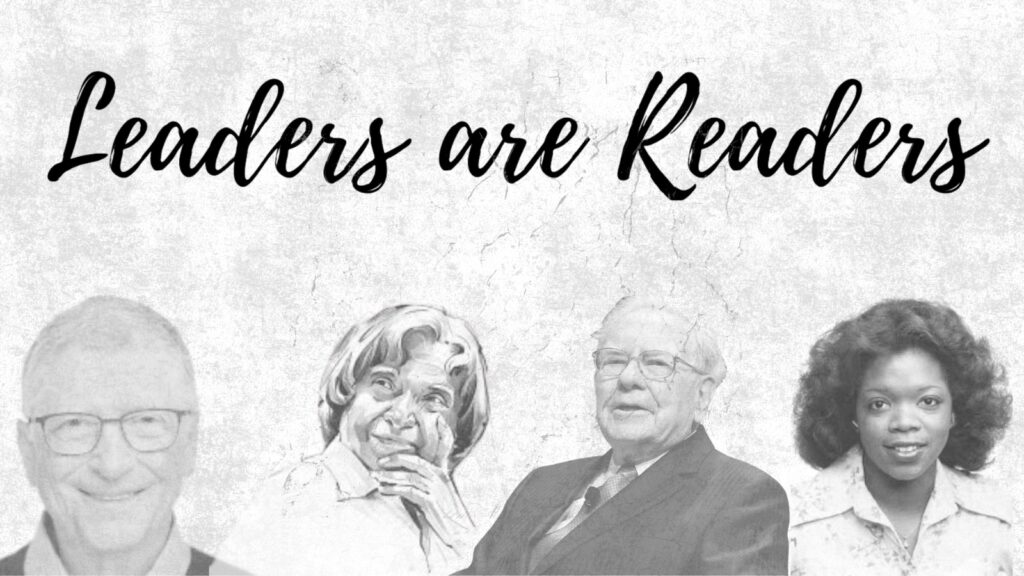
In today’s fast-moving markets, knowledge is more than power — it’s survival. As Benjamin Franklin famously noted, “An investment in knowledge pays the best interest”. In other words, reading is an investment that compounds over time. Harry S. Truman put it bluntly: “Not all readers are leaders, but all leaders are readers”. These wise words aren’t just inspiring slogans – research and history back them up. For example, Thomas C. Corley found in his Rich Habits study that 88% of wealthy people read at least 30 minutes a day. Regular reading builds the deep thinking and broad perspective that finance professionals need to spot opportunities before others do.
Habits of Wealthy Readers
Successful people truly read a lot. Corley’s research of millionaires highlights this: roughly nine out of ten wealthy people spend at least a half-hour daily on self-education through books and articles. Another analysis notes millionaires log around 5.5 hours of pleasure reading a week – more than double the average person. In practice, this compounding of knowledge mirrors investing: each book or report read adds a small gain in skill, which compounds into substantial advantage over years.
Warren Buffett is a perfect example. The Oracle of Omaha famously goes to bed “a little smarter each day,” dedicating about 80% of his working time to reading. In an Inc. profile, Buffett’s daily routine is simple: read and think. “I read and think,” he says. “So I do more reading and thinking, and make less impulse decisions than most people in business”. At a time when others scroll newsfeeds, Buffett devours hundreds of pages of financial reports and newspapers to stay ahead.
Bill Gates is likewise a voracious reader. He shares each year’s reading list publicly and typically finishes around 50 books annually. Gates told The New York Times that despite his other activities—speaking and travel—“reading is still the main way that I both learn new things and test my understanding”. He reads everything from science to history, and even credits this habit with helping him think in new ways. Gates often finds that a well-chosen book “opens up new avenues of knowledge to explore”.
India’s focus on literacy shows the power of this habit. In 2010, then-Gujarat CM Narendra Modi launched the Vanche Gujarat (“Read Gujarat”) campaign, declaring it his favorite program. With engineer Mahadev R. Desai organizing mobile book vans and neighborhood libraries, over 25 lakh children ended up reading more than 1 crore books in under a year. On one day alone, more than 60 lakh people read together in public gatherings. The success even inspired a national initiative, Vanche Bharat, to make reading a habit across India.
Building a Powerful Reading Habit
Deep reading requires focus. In a world of tweets and podcasts, try a simple experiment: put away your phone for 30 uninterrupted minutes and read a chapter of a book. The concentration feels different – and often yields insights that quick media do not. Great leaders don’t restrict their reading to one type: they mix business books, biographies, psychology, and even fiction to spark creativity and empathy. They alternate formats too – switching between print, e-book and audiobook depending on the situation, and even revisit classics. Each re-reading reveals new meanings as their perspective grows.
Reading does more than impart facts. Cognitive science shows that frequent readers develop sharper problem-solving skills. A long-term study found that older adults who read regularly had significantly slower cognitive decline than those who didn’t. In other words, the mental exercise of reading protects and builds the brain’s abilities. While Harvard Business Review articles often stress focus and lifelong learning, real data confirms that readers maintain mental agility — an edge when analyzing complex markets or devising strategy.
Must-Read Books for Finance and Leadership
To get started, choose books that challenge and inspire. Dale Carnegie’s How to Win Friends and Influence People (1936) remains timeless on interpersonal skills. Behavioral finance titles like Morgan Housel’s The Psychology of Money (2020) illustrate how emotions shape our financial decisions. Habit-formation guru James Clear shows in Atomic Habits how tiny actions lead to remarkable change. Benjamin Graham’s classic The Intelligent Investor lays out the principles of value investing. And Simon Sinek’s Leaders Eat Last (2014) explains why great leaders focus on people first. Each of these books offers insights that a quick article cannot match. (And once you start, Gates and Buffett will have many more titles to recommend!)
Your Challenge: This month, pick a thought-provoking book and commit to finishing it. As Benjamin Franklin implied, think of it as an investment with great returns. Share three key insights from the book with a colleague or mentor. In a world of quick updates, distinguishing yourself by the depth of your knowledge can turn today’s pages into tomorrow’s breakthroughs. After all, the leaders who read are the ones turning ideas into success.
Disclaimer:
This article is for educational and informational purposes only and does not constitute investment advice or a recommendation. The views expressed are based on the author’s personal research and expertise in behavioral finance and wealth management, and are not affiliated with or endorsed by any mutual fund house or financial product provider. Professor (Dr.) Meghna Dangi is not a SEBI-registered investment advisor. These are not promotional endorsements of any specific brand or financial institution.